
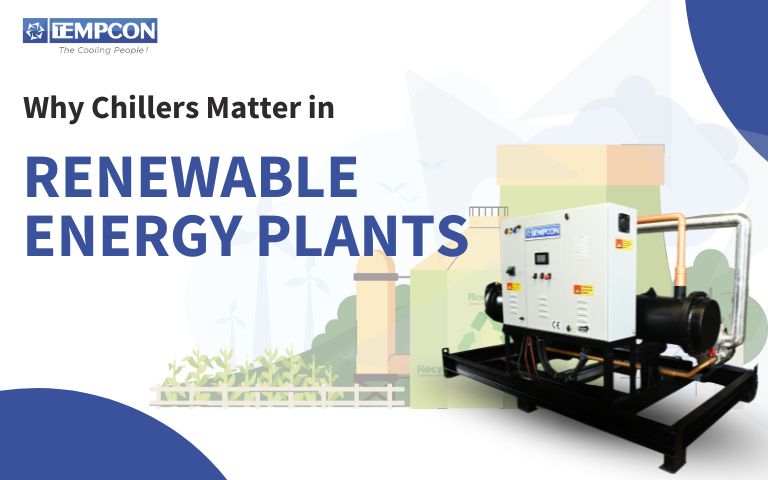
Renewable energy plants are often perceived as low-stress, low-heat systems. In practice, many renewable processes generate significant internal heat. In biogas plants, heat is produced during anaerobic digestion, gas compression, gas upgrading, cogeneration (CHP), and auxiliary processes.
Biological reactions themselves are temperature-sensitive. On the other hand, mechanical equipment and engines produce continuous thermal loads. Uncontrolled heat and moisture can severely impact efficiency, gas quality, and equipment life.
This is where industrial chillers play an important role. They precisely control temperature and remove excess heat and moisture. These chillers help stabilise biogas processes, protect downstream equipment, and ensure reliable plant operation.
The Indian biogas market shows a promising CAGR of 10.20% (from 2025 to 2032). It continues to grow as a key renewable energy source. Thus, effective cooling solutions have become quite essential. Let’s find out where industrial chillers can be used in this industry.
Renewable energy plants are often perceived as low-stress, low-heat systems.
Biological reactions themselves are temperature-sensitive.
The Indian biogas market shows a promising CAGR of 10.20% (from 2025 to 2032).
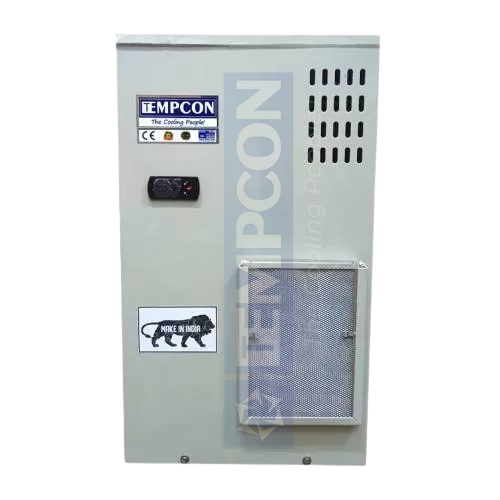
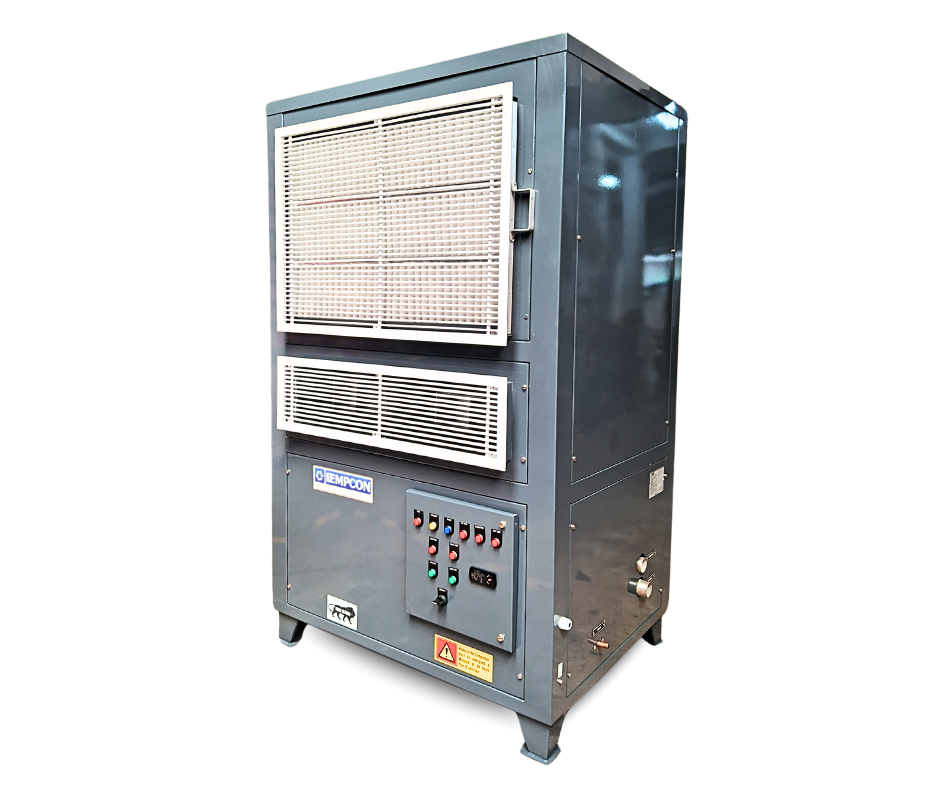
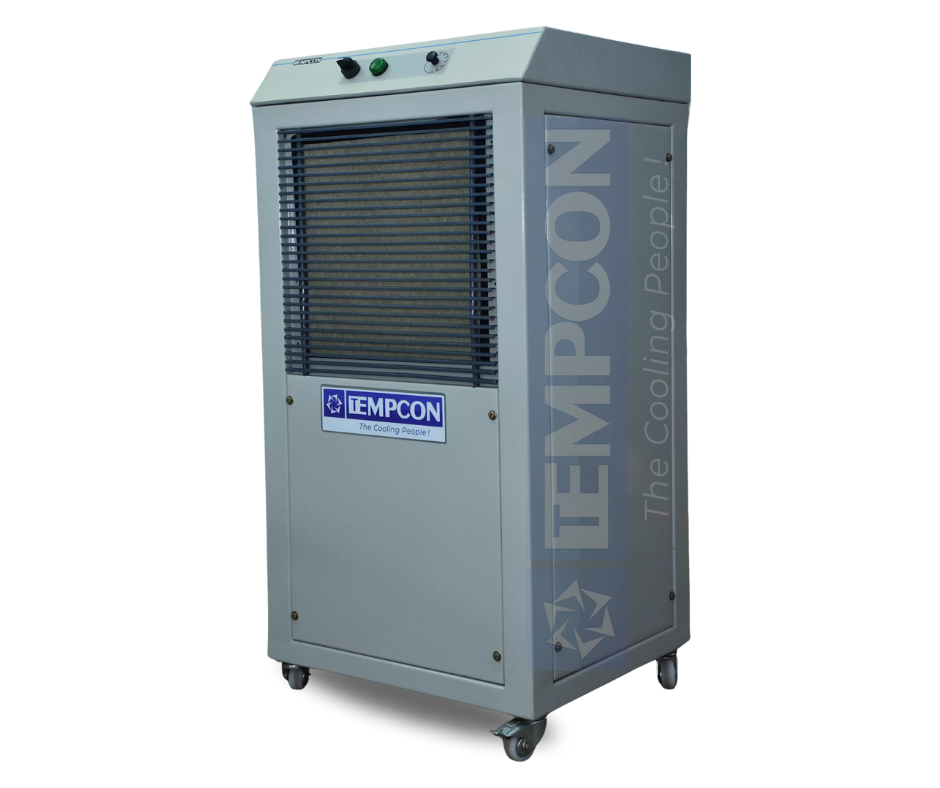
Uses of Industrial Chillers in Biogas Plants
Industrial chillers are used across multiple stages of a biogas facility. Their role extends beyond simple cooling to improving safety, reliability, and overall energy efficiency.
Gas Cooling and Dehumidification
Raw biogas exits the digester fully saturated with water vapour at elevated temperatures. If this moisture is not removed, it condenses unpredictably inside pipelines, compressors, and engines. Improper moisture removal leads to corrosion and blockages.
Industrial chillers are used to cool biogas to controlled low temperatures, typically through a gas-to-liquid heat exchanger supplied with chilled water or glycol.
This cooling process forces water vapour to condense in a controlled location, allowing efficient separation and drainage. The result is a dry, stable gas stream suitable for further processing. Effective dehumidification also reduces the risk of hydrate formation and improves the performance of downstream treatment systems.
Protection of Compressors, Engines, and CHP Units
Biogas compressors and gas engines are highly sensitive to temperature and moisture variations. Liquid carryover or hot gas intake can cause severe mechanical wear, fouling of valves, and unplanned shutdowns.
For combined heat and power (CHP) units, stable inlet gas conditions improve combustion efficiency and reduce maintenance frequency. Integrating chillers upstream of compressors and engines helps biogas plants significantly by:
- extending equipment life
- reducing downtime
- lowering overall operating costs.
Biogas Upgrading and Gas Treatment Temperature Control
Modern biogas plants increasingly upgrade raw biogas into biomethane for grid injection or vehicle fuel. The latest technologies, such as pressure swing adsorption (PSA), membrane separation, and water scrubbing, are highly dependent on temperature control.
Industrial chillers support these systems by maintaining optimal temperatures for adsorption beds, membranes, and scrubbing liquids. Stable cooling improves separation efficiency, enhances CO₂ and H₂S removal, and maintains gas quality.
Digestate and Process Cooling
Beyond gas handling, chillers are also used for digestate and process cooling. In certain operating conditions, digestate may need to be cooled to control biological activity, improve separation efficiency, or enable safer handling and storage.
Cooling digestate can also enhance downstream processes such as centrifugation or drying by stabilising material properties. In large plants, process cooling helps maintain consistent plant performance despite seasonal or load-related temperature fluctuations.
Plant Reliability and Operation in Harsh Environments
Biogas plants are often located in remote or industrial environments where reliability is critical. Industrial chillers designed for such applications feature corrosion-resistant materials, coated coils, and robust control systems.
Modular industrial chillers allow easy installation and scalability. Well-engineered chiller systems maintain continuous production and regulatory compliance for plants operating in hot climates or with variable loads.
Which Types of Chillers Are Used in Biogas Applications
Several chiller configurations are commonly used in biogas plants, depending on plant size, climate, and process requirements.
Air-cooled scroll chillers (screw chillers also) are widely used due to their simple installation and low water consumption. They are ideal for small to medium biogas plants and sites where water availability is limited.
Water-cooled chillers, typically with screw or scroll compressors, are preferred for larger plants requiring higher efficiency and stable performance. These systems are well-suited to facilities with cooling towers or centralised condenser loops.Glycol & brine chillers are used where low temperatures and freeze protection are required, particularly for gas dehumidification and PSA pre-conditioning. Glycol systems ensure reliable operation even in colder climates or variable load conditions.
Industrial Cooling as a Strategic Element in Biogas Plants
One of the most significant contributors to chiller power consumption is the compressor. Microchannel coils help reduce compressor workload by enabling more effective heat rejection at lower condensing temperatures.
When heat is removed efficiently from the refrigerant, the condenser operates at a lower pressure. Lower condensing pressure reduces the compression ratio. In turn, it decreases compressor energy consumption.
This reduction translates into substantial energy savings over time. From an engineering standpoint, improved condenser performance also enhances system stability and reduces stress on critical components
Reduced Refrigerant Charge
Industrial chillers play a vital role in the performance and reliability of biogas plants. Chillers have a direct impact on efficiency, uptime, and operational safety. Selecting the right chiller technology ensures stable gas quality, longer equipment life, and lower lifecycle costs.
The key selection factors include:
- corrosion resistance
- precise temperature control
- energy efficiency
- ease of maintenance
- integration with plant automation systems.
The biogas manufacturing processes, such as gas cooling, dehumidification, equipment protection, and upgrading process support, also determine which chillers to select.
Tempcon Makes Industrial Chillers Your Strength
Air-side pressure drop across the condenser directly affects fan power consumption. Microchannel coils are thinner and more aerodynamically efficient than traditional deep coil assemblies. They reduce the resistance to airflow.
With reduced air-side pressure drop, condenser fans can operate at lower speeds or require less power to move the same volume of air. This reduces auxiliary energy consumption and contributes to lower overall chiller power usage.
Additionally, lower fan power requirements often lead to quieter operation and reduced mechanical wear on fan motors and bearings. It creates an ideal setup for many industrial environments.
Compact and Lightweight Design Advantages
SpecialiThe compactness factor of microchannel coils allows chiller manufacturers to optimise unit layout and airflow paths, further enhancing thermal efficiency.
For plant engineers, compact chillers offer easier installation, reduced structural load requirements, and better suitability for rooftop or space-constrained installations. Smaller coil dimensions also allow for improved air distribution across the condenser surface. This feature ensures consistent performance even at partial loads.
Improved Corrosion Resistance and Long-Term Performance
As biogas continues to expand within the renewable energy sector, professionally-designed cooling solutions are a crucial utility expense. Tempcon offers customised industrial chiller solutions designed specifically for the demanding biogas and renewable energy requirements.
Contact us today to evaluate your cooling needs and optimise your biogas plant performance with our modern chillers solutions.
Reduced Operating and Lifecycle Costs
The efficiency benefits of microchannel coils extend beyond initial energy savings. Lower compressor and fan power consumption reduces electricity costs considerably. It is important for process chillers operating 24/7.
Reduced refrigerant charge lowers material costs and simplifies maintenance. Improved durability and corrosion resistance decrease the frequency of repairs and component replacements. Together, these factors contribute to a lower total cost of ownership over the chiller’s lifecycle.
Design Considerations and Maintenance Requirements
While microchannel coils offer clear efficiency advantages, proper system design and maintenance are essential to maximise their benefits. The small internal channels require clean refrigerant and effective filtration to prevent blockage.
Externally, fins must be cleaned using appropriate methods to avoid physical damage. With correct maintenance practices and proper application design, microchannel coils perform reliably in demanding industrial cooling applications.
Choosing Efficient Chillers for Long-Term Industrial Performance
Chillers equipped with microchannel coils represent a significant advancement in industrial cooling efficiency. By improving heat transfer, reducing compressor and fan energy consumption, lowering refrigerant charge, and enhancing durability, microchannel technology delivers measurable performance and cost benefits.
Contact Tempcon today to discuss your cooling challenges and explore efficient, reliable chiller systems engineered for long-term industrial performance.