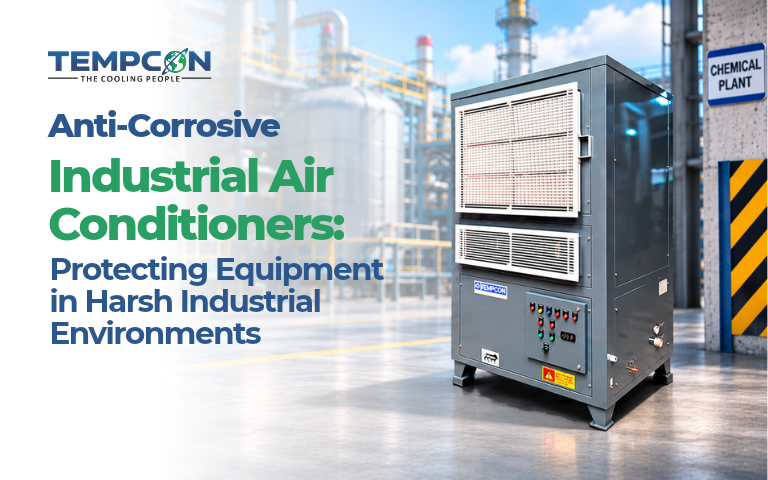
Industries such as steel, chemicals, fertilisers, pharmaceuticals, petrochemicals and wastewater treatment need more than ordinary cooling. But advanced cooling becomes a challenge in harsh industrial conditions. Chemical fumes, moisture, salt-laden air, and airborne contaminants can damage conventional air conditioning systems.
They need air conditioners that can withstand aggressive operating conditions. This is where a corrosion-resistant industrial air conditioner makes a difference.
At Tempcon, we understand the challenges of industrial cooling. Let’s understand why conventional air conditioners struggle in these conditions. Discover how Tempcon addresses these challenges.
The Problem
Why Conventional Air Conditioners Fail in Corrosive Industrial Environments
Conventional air conditioners are designed for relatively controlled environments. They may not withstand constant exposure to industrial fumes, chemicals, moisture and corrosive particles.
Here are some common problems.
01
Corrosion of Evaporator and Condenser Coils
The metal surfaces of evaporator and condenser coils degrade when exposed to aggressive chemicals and moisture.
Industrial corrosion can cause:
- Damage to aluminium fins and copper tubes.
- Reduced heat transfer efficiency.
- Deterioration of coil surfaces.
- Refrigerant leakage.
- Premature coil failure.
As a result, the air conditioner may lose cooling capacity and require frequent repairs.
02
Damage from Chemical Fumes
Fumes in chemical plants, fertiliser units and petrochemical facilities attack exposed metal surfaces and electrical connections.
Ordinary protective finishes may not provide enough resistance. Over time, this can affect the equipment’s structural strength and reliability.
03
Rusting of Cabinets and Structural Parts
Moisture and salt-laden air can accelerate rust formation. Standard painted metal cabinets may develop corrosion when their protective coating deteriorates.
This can affect cabinet strength. Mounting hardware and electrical compartments can come loose. It can also make maintenance more difficult.
04
Fan and Blower Deterioration
Industrial air conditioners need reliable airflow to remove heat. Corrosive particles and moisture can damage fan blades, shafts and supporting components. Airflow eventually decreases and causes mechanical failures.
05
Higher Maintenance and Production Downtime
Corrosion also threatens equipment that depends on its cooling. For example, overheating in electrical rooms can affect PLCs, drives and control systems. Frequent cooling failures may interrupt production and increase operating costs.
Therefore, industries need cooling equipment designed for their working conditions.
The Solution
What Is an Anti-Corrosive Industrial Air Conditioner?
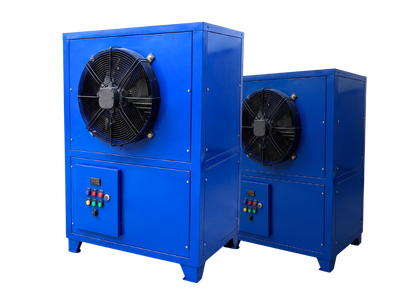
An anti-corrosive industrial air conditioner is designed for environments where conventional ACs may experience accelerated corrosion.
It uses suitable construction materials, protective coatings and industrial-grade components to reduce exposure-related damage.
These systems include features depending on their applications:
- Corrosion-resistant stainless steel construction.
- Protective coatings on exposed surfaces.
- Epoxy-coated heat exchanger options.
- Heavy-duty fans and blowers.
- Suitable electrical and enclosure protection.
- Industrial-grade refrigeration components.
The objective is to protect the air conditioner while maintaining reliable cooling.
We must know that no single material or coating can resist every chemical. The correct configuration depends on the contaminants, humidity and operating conditions.
Tempcon Features
How Tempcon Industrial ACs Withstand Harsh Conditions
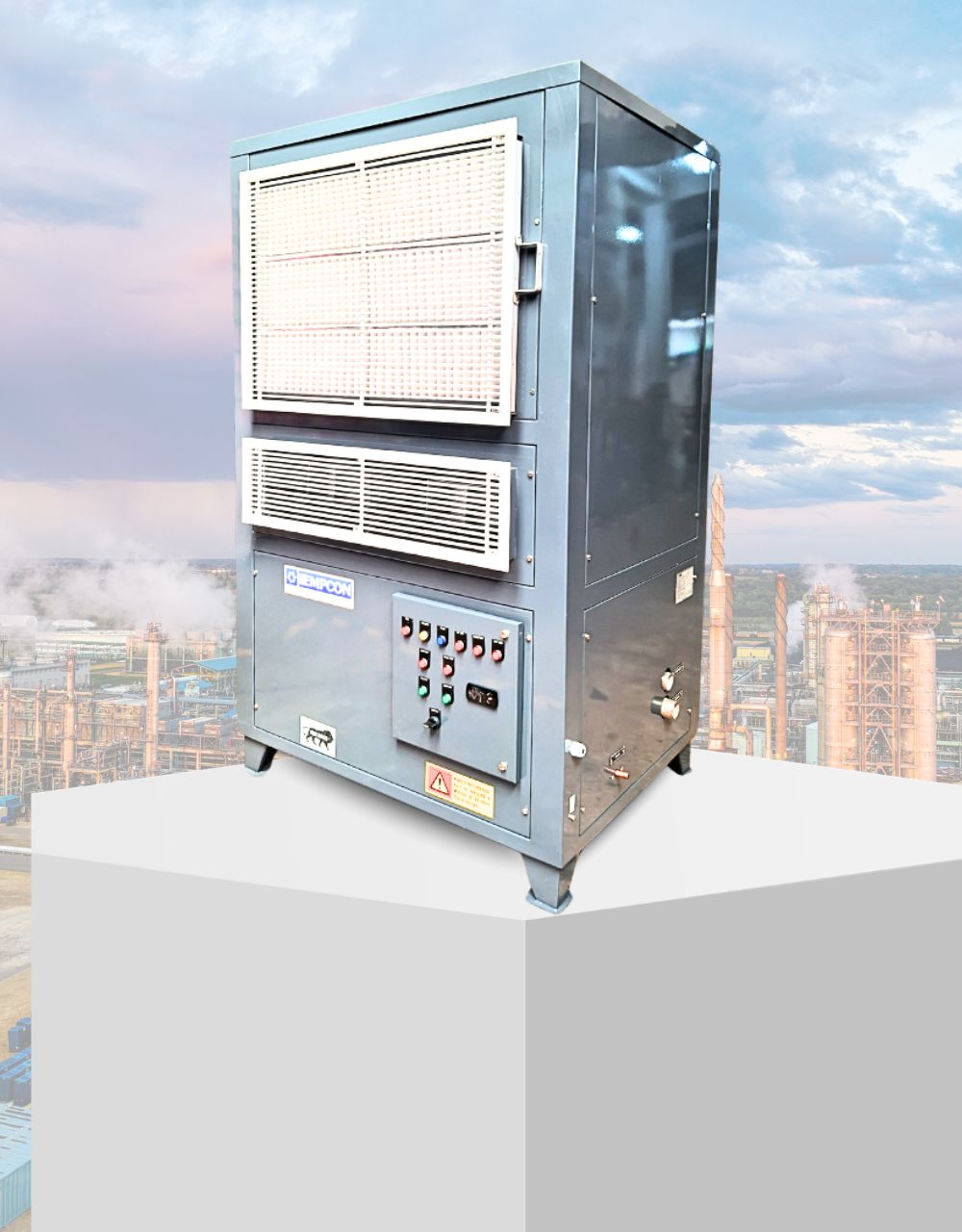
At Tempcon, we focus on building industrial air conditioners that can handle demanding factory environments. Our designs combine corrosion protection with reliable cooling performance.
Here are the features that make our industrial ACs suitable for challenging applications.
Corrosion-Resistant Stainless Steel Construction
Material selection is important when an air conditioner operates in a corrosive environment.
Our industrial ACs feature 316-grade stainless steel construction. This grade contains chromium and nickel to help improve corrosion resistance.
We also use Cathodic Electrodeposition (CED)-based coating. This creates a protective layer over compatible metal surfaces.
It helps protect equipment against exposure to:
- industrial fumes
- chemicals
- solvents.
The final material and coating selection depends on the actual operating environment.
Epoxy-Coated Components
Epoxy coatings provide an additional barrier against moisture and corrosive contaminants. They can help protect selected structural and heat exchanger surfaces.
Our application-specific configurations can include epoxy-coated evaporator and condenser coils. This helps reduce direct exposure of vulnerable surfaces to aggressive atmospheric conditions.
Heavy-Duty Centrifugal Fans
Tempcon industrial ACs use strong centrifugal fans for efficient heat dissipation and cool air distribution.
They can also handle large air volumes through long ductwork. This makes them useful where cooling needs to reach specific equipment rooms.
Industrial-Grade Scroll Compressors
Tempcon industrial ACs feature durable scroll compressors. These support reliable and quieter refrigeration operation.
We select compressor configurations according to cooling requirements and application conditions.
Multi-Pin Couplers
Our industrial ACs feature multi-pin couplers. These reduce the need for multiple individual wiring connections. This feature helps minimise potential failure points.
IP55 Protection Against Dust and Water
Tempcon industrial air conditioners feature IP55 protection. This rating protects against dust ingress. It is useful for installations in spaces with airborne dust and occasional water exposure.
IP55 should not be confused with protection against high-pressure cleaning or direct washdown.
High-Ambient Cooling Performance
Tempcon industrial ACs use heavy-duty refrigerant options such as R-236fa and R-227ea. Our product specifications identify selected applications with ambient temperatures reaching 75°C to 90°C.
Replaceable Components and Spare Parts
Tempcon designs its AC units with replaceable components. Spares for centrifugal fans, compressors and control panels are available across India, Europe and the Middle East.
This helps customers plan maintenance and reduce delays when replacement components are required.
Washdown Applications
What Is a Wash Down Duty AC?
A Wash Down Duty AC is designed for environments where equipment faces regular cleaning with water.
Such applications are common in:
- Food processing
- Pharmaceutical manufacturing
- Heavy manufacturing
- Mining
- Agriculture and farming
- Water and wastewater treatment, etc
These environments require special attention to:
- Enclosure design
- Sealing
- Material selection.
A suitable washdown configuration requires:
- Water-resistant electrical enclosures.
- Corrosion-resistant external materials.
- Properly sealed joints and cable entries.
- Protection for electrical components.
- Easy-to-clean surfaces.
- An appropriate IP rating for the cleaning method.
Not every industrial AC is suitable for washdown applications.
Tempcon industrial ACs feature IP55 protection against dust and low-pressure water exposure. We assess cleaning pressure, water temperature, chemicals and exposure frequency before recommending a suitable configuration.
This ensures that the cooling system matches the actual cleaning conditions.
Where It’s Used
Industries That Need Corrosion-Resistant Industrial Air Conditioners
Several industries operate in environments that can damage conventional cooling equipment.
Chemical and Petrochemical Plants
Chemical fumes and aggressive contaminants can damage exposed metal components. Corrosion-resistant construction helps protect cooling equipment in suitable process areas.
Fertiliser Manufacturing
Moisture and corrosive compounds can affect equipment in fertiliser plants. Specialised industrial ACs help maintain suitable temperatures in electrical and control rooms.
Steel and Metal Processing
Steel plants contain dust, heat, fumes and moisture. Heavy-duty construction and protective coatings help industrial ACs withstand these conditions.
Marine, Ports and Coastal Facilities
Salt-laden air accelerates corrosion. Suitable stainless steel grades, protective coatings and material selection are important.
Pharmaceutical Manufacturing
These facilities need controlled temperatures and equipment that can withstand specific cleaning and chemical exposure conditions.
Food Processing
Moisture and frequent cleaning can affect cooling equipment. A properly selected industrial AC or Wash Down Duty AC configuration can support these applications.
Wastewater Treatment
Moisture and gases such as hydrogen sulphide can create aggressive environments. Corrosion-resistant equipment helps protect electrical and control rooms.
Power Plants
Electrical rooms, battery rooms and control areas need reliable cooling. Industrial ACs help protect sensitive equipment from excessive heat.
Comparison
Standard Industrial AC vs Corrosion-Resistant Industrial AC
Parameter
Standard Industrial AC
Tempcon Industrial AC
Structure
Standard metal construction
316-grade SS structure
Surface protection
Conventional finish
CED-based coating
Additional coating
Depends on model
Epoxy-coated options
Fans
Standard configuration
Heavy-duty centrifugal fans
Compressor
Depends on model
Durable scroll compressor
Electrical connections
Conventional wiring
Multi-pin couplers
Protection
Depends on model
IP55
High ambient operation
Depends on design
Selected applications up to 90°C
Spare parts
Depends on manufacturer
Replaceable components with global availability
Note: The final configuration should always match the installation environment and cooling requirements.
Selection Guide
How to Select the Right Anti-Corrosive Industrial AC
Choosing an industrial air conditioner requires more than calculating cooling capacity. You must also understand the environment in which it will operate.
Consider these factors:
Chemical exposure
Identify the type and concentration of chemicals or fumes.
Humidity
Check moisture levels around the installation.
Salt exposure
Assess whether the location faces coastal air or salt spray.
Ambient temperature
Determine the maximum operating temperature.
Cooling requirement
Calculate the heat load and required cooling capacity.
Installation location
Check whether the unit will operate indoors or outdoors.
Cleaning conditions
Identify whether regular water cleaning or washdown is required.
Maintenance access
Consider spare parts, servicing and inspection requirements.
At Tempcon, we consider these factors when recommending industrial cooling solutions. This helps us select suitable materials, protective coatings and refrigeration components.
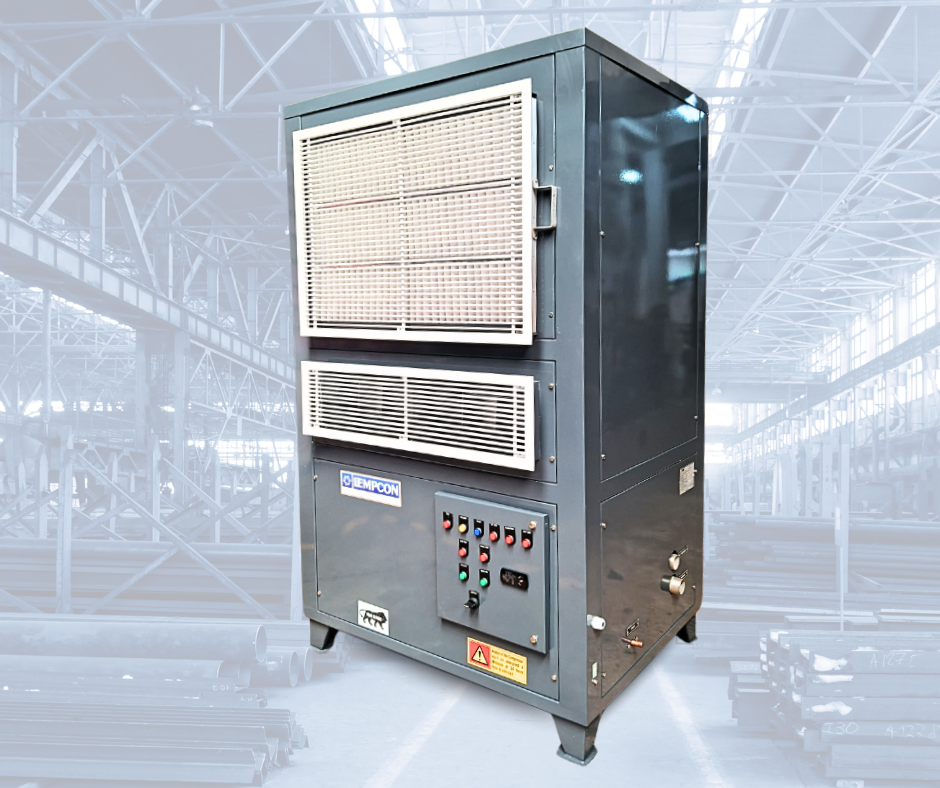
Why Tempcon
Why Choose Tempcon for Industrial Air Conditioning
We understand that industrial cooling equipment must deliver more than temperature control. It must also withstand demanding operating conditions.
With over 40 years of experience in industrial cooling, Tempcon combines engineering knowledge with application-specific manufacturing.
Here is what makes our industrial ACs stand out:
1
Corrosion-resistant construction
316-grade stainless steel and protective CED-based coatings.
2
Additional surface protection
Epoxy-coated structural and component options.
3
Reliable airflow
Heavy-duty centrifugal fans for effective air distribution.
4
Industrial-grade compressors
Durable scroll compressors for reliable cooling.
5
Robust connections
Multi-pin couplers that reduce potential wiring failure points.
6
IP55 protection
Protection against dust and low-pressure water exposure.
7
High-ambient capability
Selected configurations designed for demanding temperatures.
8
Spare parts availability
Replaceable components supported across multiple regions.
We serve different industrial applications, including crane cabins, electrical rooms, battery banks, server rooms, steel plants and cement facilities.
Our focus is on understanding customer requirements and providing a cooling solution that suits the application.
Choose Tempcon’s Industrial AC for Harsh Industrial Conditions
Corrosion can damage equipment, reduce cooling efficiency and increase maintenance costs. Tempcon combines over four decades of experience with corrosion-resistant construction and heavy-duty components.
Our industrial ACs deliver reliable advanced cooling for demanding environments, helping industries protect critical equipment and maintain smooth operations.
Looking for an industrial AC that can withstand harsh conditions?
Contact Tempcon to discuss your cooling requirements.
Questions Answered
FAQs
What is a Corrosion Resistant Industrial Air Conditioner?
A Corrosion Resistant Industrial Air Conditioner is designed for environments exposed to chemicals, moisture, salt and industrial fumes. It uses suitable materials and protective coatings to reduce corrosion-related damage.
How does Tempcon protect its industrial ACs against corrosion?
Tempcon uses 316-grade stainless steel construction and Cathodic Electrodeposition-based coating. Application-specific configurations can also include epoxy-coated structures and components.
Can Tempcon industrial ACs operate in high temperatures?
Yes. Tempcon industrial ACs use heavy-duty refrigerant options such as R-236fa and R-227ea. Selected configurations are designed for ambient temperatures reaching 75°C to 90°C.
What is the IP55 rating in an industrial air conditioner?
IP55 indicates protection against dust ingress and low-pressure water jets under specified test conditions. It is useful in industrial environments with dust and occasional water exposure.
Is an IP55 industrial AC suitable for washdown applications?
Not necessarily. IP55 does not establish suitability for high-pressure washdown. A Wash Down Duty AC needs suitable sealing, enclosure protection and material selection based on cleaning conditions.