Air conditioning is essential infrastructure for modern industrial processes. However, not all air conditioners are engineered for the same objective. A comfort or domestic AC is designed to maintain human comfort in living spaces. An industrial air conditioner, on the other hand, is engineered to maintain operational stability in heat-intensive environments.
Domestic cooling systems are typically not designed to support the demanding conditions of manufacturing units, panel rooms, steel plants, chemical processing units, or data facilities. The difference lies in engineering philosophy: residential cooling prioritizes comfort, while industrial cooling pri
Let’s examine the operational differences between industrial AC and residential AC systems—and why comfort AC units often struggle in industrial conditions.
Air conditioning is essential infrastructure for modern industrial processes.
Domestic cooling systems are typically not designed to support the demanding conditions of manufacturing units, panel rooms, steel plants, chemical processing units, or data facilities.
A comfort or domestic AC is designed to maintain human comfort in living spaces
What Is a Residential or Comfort AC?
ArtA residential AC (also called domestic or comfort AC) is designed for homes, offices, and small commercial spaces where the primary goal is human comfort.
Primary Objectives:
- Maintain indoor temperature between 22°C and 26°C
- Provide thermal comfort for occupants
Typical Characteristics:
- Lightweight construction
- Compact scroll or rotary compressors
- Limited airflow capacity
- Basic thermostat control
- Designed for intermittent operation
- Limitations in Industrial Environments
- Residential AC units are generally not designed for:
- Continuous 24/7 high-load operation
- Heavy dust exposure
- Toxic fumes or chemical vapors
- Extreme ambient temperatures
- Protection of sensitive electrical or process equipment
These systems are optimized for predictable, moderate environments and prioritize quiet operation, aesthetics, and energy efficiency.
What Is an Industrial Air Conditioner?
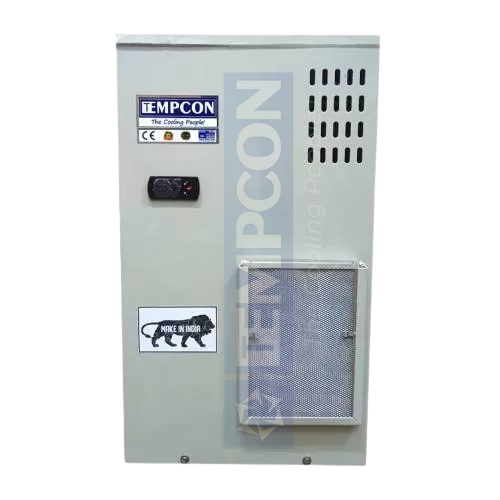
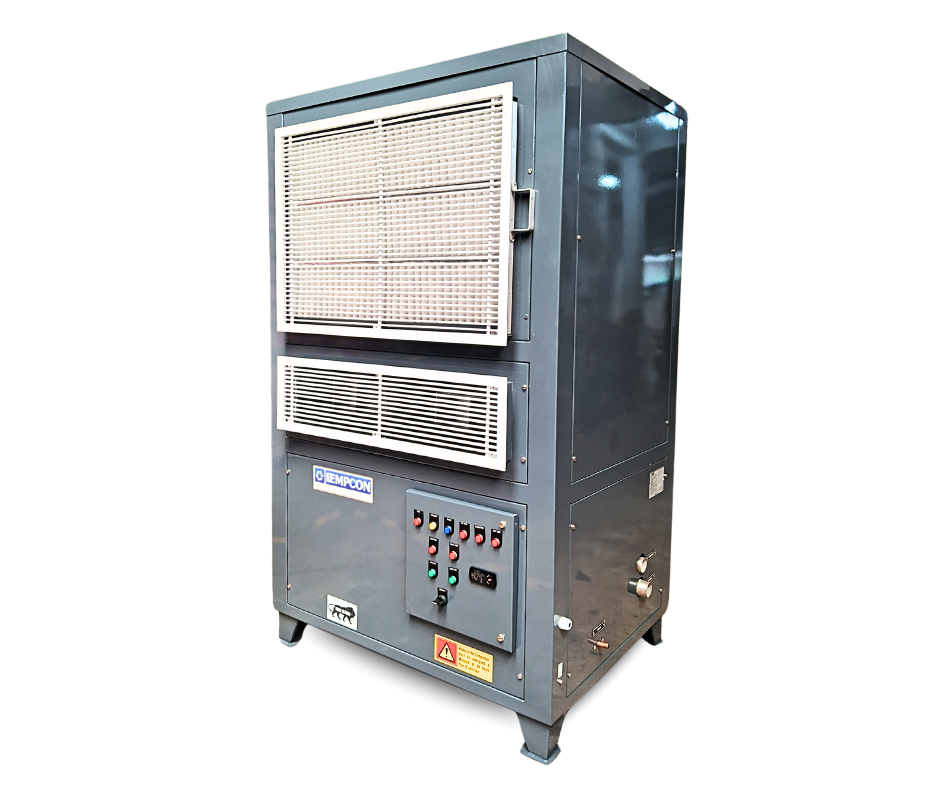
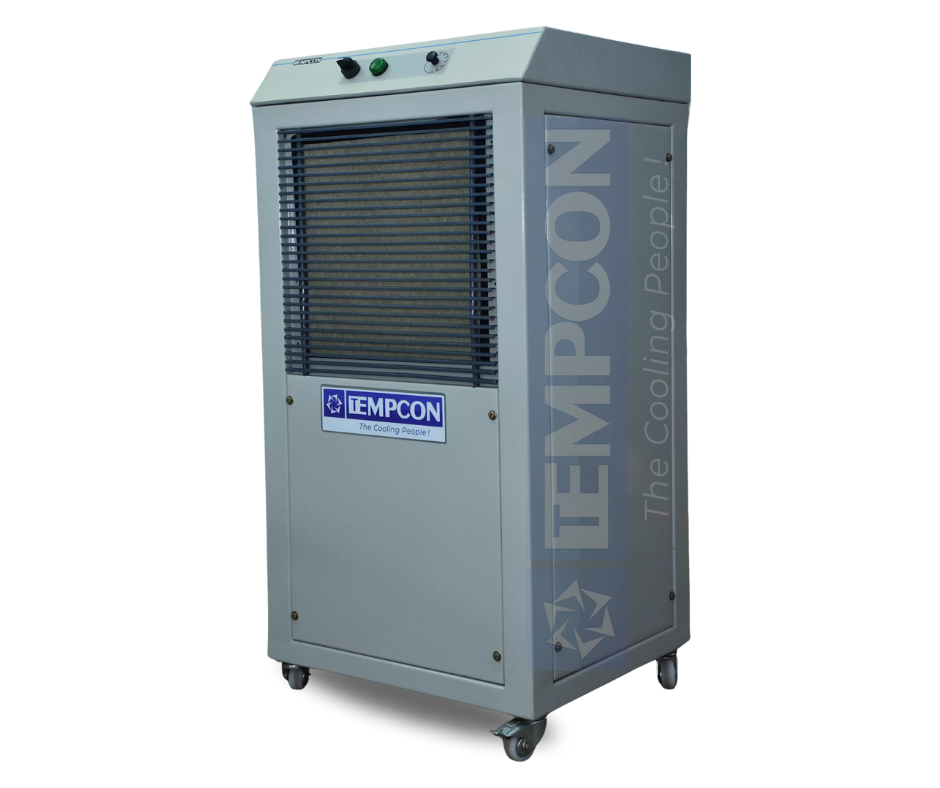
An industrial AC is a heavy-duty process cooling system engineered to control temperature in demanding industrial environments. Unlike comfort systems, industrial air conditioners are often mission-critical infrastructure.
Primary Objectives:
- Maintain precise temperature for machinery and processes
- Operate reliably in high ambient conditions
- Run continuously (24/7/365)
- Withstand dust, chemicals, and vibration
Typical Application Areas:
- Electrical panel rooms
- PLC and VFD cabinets
- Steel and power plants
- Cement plants
- Server and UPS rooms
- Battery banks
- Crane cabins
- Chemical processing units
Industrial cooling systems function as risk-mitigation tools that help protect production uptime and process stability.nts.
Key Differences Between Industrial AC and Normal AC
1. Design Philosophy: Comfort vs Process Reliability
Residential AC systems are designed for human comfort, where small temperature fluctuations are acceptable. Industrial AC systems are engineered to maintain tight thermal control for equipment protection.
In a living room, a fluctuation of ±2–5°C may be acceptable. In an electrical panel room, such variation can reduce equipment life or increase the risk of downtime.
Industrial systems often include:
- Microprocessor or PLC-based controllers
- Intelligent alarm systems
- Precision temperature and humidity management
2. Ambient Temperature Handling
Most home AC units are rated for maximum ambient temperatures around 45–50°C.
Industrial AC systems are engineered for much harsher environments. In specialized high-heat applications, properly designed industrial units can operate in significantly elevated ambient conditions, depending on configuration.
In high-heat zones such as steel plants or outdoor enclosures, residential AC compressors may experience frequent tripping or premature wear.
3. Construction and Material Strength
Residential AC:
- Light-gauge metal or plastic body
- Designed for clean indoor environments
- Limited corrosion protection
Industrial AC:
- Heavy-duty powder-coated or optional SS construction
- Anti-corrosion coil coatings
- Designed for dust, fumes, solvents, and vibration
Industrial environments expose equipment to abrasive particles and corrosive atmospheres. Comfort AC enclosures are typically not intended for prolonged exposure to such conditions.
4. Ingress Protection (IP Rating)
Domestic AC systems usually do not carry high IP ratings for dust and moisture protection.
Industrial AC systems commonly offer protection levels such as IP54 or IP55, providing:
- Protection against dust ingress
- Protection against water splashes or jets
For panel rooms and outdoor enclosures, ingress protection is often essential for reliable operation.
5. Airflow and Heat Dissipation Capacity
Comfort ACs are designed to cool the air volume of a room, whereas, industrial ACs are designed to remove concentrated heat loads generated by:
- PLCs
- VFDs
- Power electronics
- Battery banks
- High-load motors
They typically incorporate:
- Heavy-duty centrifugal fans
- Controlled CFM delivery
- High static pressure blowers
A domestic AC may struggle with dense, localized heat loads typical in industrial electronics environments.
6. Operational Duty Cycle
Residential AC systems are intermittent – they cycle on and off based on thermostat demand.
Industrial AC systems are engineered for:
- Continuous 24/7 operation
- Reduced compressor cycling
- High reliability duty
Features such as hot gas bypass help maintain stable operation under varying loads.
7. Control and Monitoring Capabilities
Industrial environments often require real-time monitoring and integration.
Industrial AC systems may include:
- Microprocessor-based controllers
- PLC integration
- BMS compatibility
- Intelligent alarms
- Electronic expansion valves (EEV)
- EC fan technology
Comfort AC systems, on the other hand, typically rely on basic thermostat control with limited diagnostics.
8. Compliance and Environmental Considerations
Industrial cooling solutions are often selected to meet specific environmental and operational standards.
Many industrial AC systems utilize refrigerants such as R134a, R407C, or other low-ODP options, depending on regulatory and application requirements.
Residential systems are not typically designed with industrial compliance priorities in mind.f these data centres. Let’s find out what they are and how they can shape this Indian dream.
Real-World Risk: What Happens When Comfort AC Is Used in Industry?
Many facilities initially install comfort AC units to reduce upfront cost. Common consequences include:
- Frequent compressor trips
- Coil choking due to dust
- Premature compressor failure
- Poor cooling of control panels
- Unexpected production downtime
In mission-critical environments, the cost of downtime often far exceeds the initial savings.
Make Industrial Cooling an Operational Decision
Industrial environments demand reliability – not residential convenience. Selecting the right cooling system helps protect equipment uptime, improve process stability, and reduce long-term maintenance risk.
If your facility operates in high heat, dusty, or continuous-duty conditions, it is advisable to evaluate an industrial-grade solution tailored to your application.
Tempcon specializes in purpose-built industrial air conditioning systems for demanding environments.
Contact Tempcon today to discuss a customized cooling solution for your facility.