
What Is a Conventional AC?
A conventional AC is also called a residential or comfort AC. It uses R32 (flammable) refrigerant for domestic and commercial cooling. It generally operates for limited hours and works in relatively controlled environments.
Typical features of a normal AC are:
- Rotary compressor
- Single-phase electrical connection
- Plastic indoor and outdoor fans
- Basic thermostat control
- Lower airflow
- Shorter operating duty
- Plastic body construction
These features are suitable for homes and offices. They are not intended for continuous industrial operation, high heat, and dust. These units fail to tackle electrical equipment rooms or concentrated heat loads.
What Is an Industrial AC?
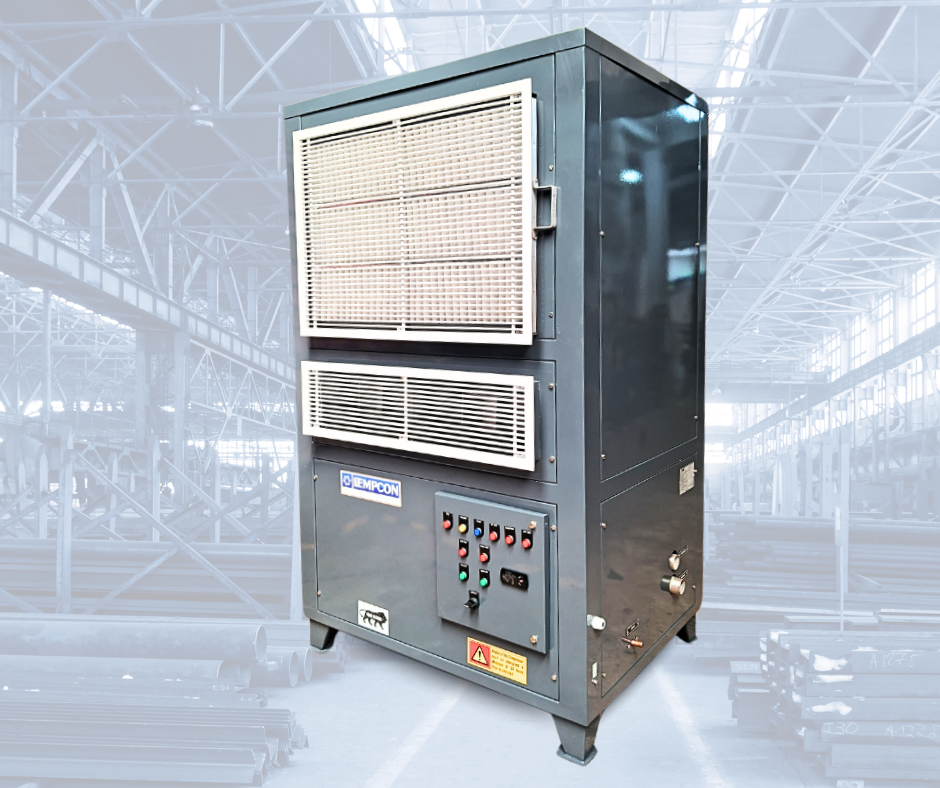
A conventional AC is also called a residential or comfort AC. It uses R32 (flamAn industrial AC is a heavy-duty process cooling system installed in demanding environments. These units use R407C, R134a and R410a (non-flammable) eco-friendly refrigerants. Such refrigerants are ideal for handling 75°C to 90°C in mission-critical infrastructure.
These heavy-duty industrial ACs are installed in:
- Electrical panel rooms
- PLC and VFD cabinets
- Steel and power plants
- Cement plants
- Server and UPS rooms
- Battery banks
- Crane cabins
- Chemical processing units
Industrial ACs can provide 24×7 operation and are designed to handle high ambient temperatures and industrial operating conditions.
Let’s take a quick peek into the comparison of industrial and normal ACs.
Key Differences Between Industrial AC and Normal AC
The key differences become clearer when their specifications are compared.
| Specification | Industrial AC | Normal AC |
|---|---|---|
| Life span | 10 to 15 years | 3 to 4 years |
| Compressor | Scroll | Rotary |
| Operation | 24×7 | 7–8 hours/day |
| Electrical connection | 3-phase/1-phase | 1-phase |
| Sensible Heat Ratio | 0.9 | 0.6 |
| Airflow | 550+ CFM/TR | Around 330 CFM/TR |
| Indoor fan | Direct EC fan/industrial metal blower | Non-EC plastic blower |
| Outdoor fan | Industrial-grade metal axial fan | Non-EC plastic fan |
| Refrigerant used | R407C/ R134a/ R410a (Non-flammable) | R-32 (Flammable) |
| Remote monitoring | Available | Not available |
| Sequencing | Built in | External |
| Body | Full metal | Full plastic |
| High-ambient operation | Up to 75°C | Not suitable for such conditions |
| Filters | 10 micron | 20 micron |
| Expansion valve | Thermostatic expansion valve | Capillary expansion |
| Indoor-to-outdoor distance | Up to 30 m | Around 15 m |
| Fire integration | Available | Not provided |
Real-World Risk: What Happens When Comfort AC Is Used in Industry?
Industrial ACs are specifically designed to handle various industrial environments. The designs can also be customised considering mission-critical situations. Here’s a list of real-world situations that prove industrial ACs are the only options where conventional ACs fail.
Lifespan Matters
Industrial ACs have a stated lifespan of around 10 to 15 years. Compared to that, normal or conventional ACs can provide continuous service for 3 to 4 years. A longer lifespan in demanding conditions can reduce replacement frequencies. Low maintenance costs reduce capital expenditure throughout their operating life.
Designed to Run 24/7
Industrial facilities often run all day long. These units need constant cooling without compromise. Only industrial ACs are designed to run 24/7 without fatigue. They meet industrial cooling needs exceptionally.
Normal ACs are generally used for 7 to 8 hours a day. Using them continuously in industrial conditions will reduce their lifespan considerably. The increased wear and tear will require a standby unit to perform relentlessly.
Higher Airflow and Sensible Cooling
Industrial equipment generates immense heat. This concentrated internal heat accumulates faster and hampers equipment performance. Continuous operations get affected. The SHR of an industrial AC is 0.9 when compared to 0.6 of a conventional unit.
The industrial AC also provides 550+ CFM/TR compared with around 330 CFM/TR of a conventional unit. Higher airflow removes heat from equipment faster, even in bigger areas. This higher sensible cooling ratio also makes industrial ACs more suitable for equipment cooling.
Better Fans and Power Management
Industrial ACs use direct EC fans or industrial metal blowers. Their outdoor units use industrial-grade metal axial flow fans. EC fan technology can help reduce power consumption, particularly when cooling demand or ambient conditions are lower.
Industrial systems also offer lower overall power consumption according to the comparison specifications.
High-Ambient Performance
Industrial areas can experience very high temperatures. Industrial ACs can be designed for operation at ambient temperatures of up to 75°C.
A conventional AC is not designed for these conditions. Using the wrong cooling system can increase the risk of failure in high-temperature areas.
Monitoring, Sequencing and Safety
Industrial ACs can provide features that are important for critical facilities.
Remote monitoring allows the system to be monitored through a BMS that includes unmanned locations. Built-in sequencing can manage multiple units without additional sequencing equipment.
Industrial ACs can also include a fire integration facility. This allows the AC to be connected to the customer’s fire panel and switched off during a fire incident. Such features are mandatory for meeting the regulatory standards.
Stronger Construction and Filtration
Industrial ACs use full metal construction for better protection in an industrial environment. In fact, these units also have 10-micron filters. Conventional AC units have 20-micron filters.
Stronger enclosure and finer filtration are useful when ACs are exposed to dust and industrial contaminants.
Lower Total Cost of Ownership
The initial purchase price is compensated by the maintenance and operation cost of industrial ACs. Operating costs are very low, with an expected ROI of 1 to 2 years. On the other hand, conventional units may cost less, but the ownership cost increases manifold over the years in an industrial setup.
Choose Advanced Industrial Cooling with Tempcon
Consider industrial applications, operating conditions and heat load while choosing an industrial AC. Seek Tempcon’s professional assistance for decision-making and installation. We have 40+ years of experience in advanced industrial cooling.
Contact Tempcon to find a reliable and application-specific industrial AC solution for your facility.
Contact Us
FAQs
A normal AC is designed for comfort cooling. An industrial AC is designed for equipment cooling, continuous operation and demanding industrial conditions.
Yes. Industrial ACs are designed for continuous 24×7 operation, while conventional ACs are generally intended for shorter daily operating periods.
The comparison specifications show that the industrial AC can operate at ambient temperatures of up to 75°C. Conventional ACs are not designed for such high ambient conditions.
The comparison indicates lower overall power consumption for the industrial AC. EC fans and other design features can also support efficient operation.
Industrial ACs provide higher airflow, a higher sensible heat ratio, continuous operation, remote monitoring and stronger construction. These features make them suitable for removing concentrated heat from industrial equipment.